

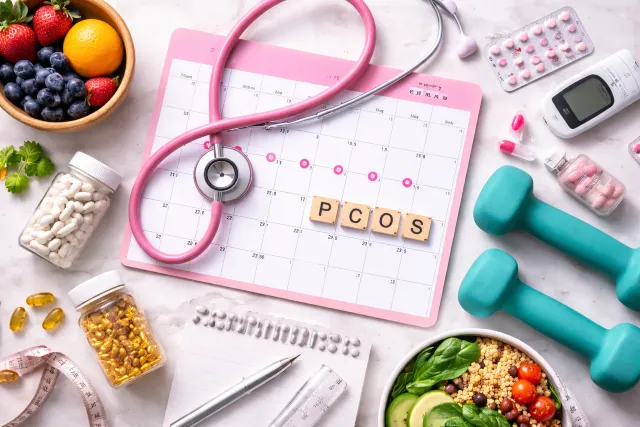
If you have been dealing with stubborn acne, hair growth in places you do not want it, irregular periods, or sudden weight changes that feel unfair, you are not alone. One person struggles mainly with skipped periods, another with fertility stress, and someone else with fatigue and sugar cravings that never seem to end.
PCOS (polycystic ovary syndrome) is one of the most common hormonal conditions in reproductive age women. The World Health Organization estimates it affects about 6% to 13% of women of reproductive age, and up to 70% of people with PCOS may remain undiagnosed worldwide. The good news is that PCOS is manageable. The best plan usually blends smart medical treatment with realistic lifestyle support you can actually stick to.
This article breaks PCOS down in plain language: what symptoms to watch, how doctors diagnose it, treatment options based on your goals (period control, skin and hair, fertility, metabolic health), and lifestyle steps that make a real difference.
What is PCOS, really?
PCOS is a hormonal condition where the ovaries and hormone regulation systems can become out of sync. Many people with PCOS have higher androgen levels (androgens are sometimes called “male hormones,” but everyone has them), and many also have insulin resistance, meaning the body has a harder time using insulin effectively. Gynecube readers often land here because PCOS can look different for everyone, and that makes it confusing.
PCOS is not just a fertility issue. It can affect:
- Your menstrual cycle and ovulation
- Skin and hair (acne, hair thinning, unwanted hair growth)
- Weight and metabolism
- Mood and sleep
- Long-term health risks like type 2 diabetes
The CDC notes that more than half of women with PCOS develop type 2 diabetes by age 40. That is why PCOS care should never be only about periods. It should be about your whole health.
Gynecube guide to PCOS symptoms you should not ignore
PCOS symptoms can be mild or intense, and they can change over time. You do not need to have every symptom for PCOS to be possible.
1) Period changes
This is one of the most common signs:
- Irregular cycles (too long, unpredictable)
- Missed periods
- Very light bleeding or sometimes heavy bleeding after long gaps
Irregular cycles often happen because ovulation is not happening regularly.
2) Signs of higher androgens
These can show up as:
- Persistent acne (especially jawline or lower face)
- Unwanted facial or body hair (chin, upper lip, chest, stomach)
- Scalp hair thinning or widening part (female pattern hair loss)
ACOG highlights that PCOS can affect the body beyond reproduction, including skin and hair changes.
3) Weight and metabolism clues
Not everyone with PCOS gains weight, but many people notice:
- Weight gain around the abdomen
- Difficulty losing weight even with effort
- Sugar cravings or energy crashes
- Darkened skin patches (sometimes around neck or underarms), which can be linked to insulin resistance
4) Fertility struggles
PCOS is a leading cause of anovulation (not ovulating), which can make it harder to conceive without support.
5) Mood, sleep, and mental load
PCOS can be exhausting emotionally, especially when symptoms affect appearance, confidence, or fertility plans. Clinical sources also note increased risk of depression and sleep issues, which is why whole-person care matters.
How PCOS is diagnosed (and why you should not self-diagnose)
A lot of people try to confirm PCOS only from an ultrasound photo. That is a common trap.
Most modern diagnostic approaches use criteria where doctors look for at least two of the following (after excluding other causes):
- Irregular or absent ovulation (irregular periods)
- Clinical or lab signs of high androgens
- Polycystic ovary appearance on ultrasound
This “two out of three” approach is described in endocrine clinical guidance.
What tests you may be offered
Depending on your symptoms, a clinician may suggest:
- Blood tests (androgens, thyroid, prolactin, glucose and insulin related markers, lipids)
- Pelvic ultrasound
- Assessment of weight, blood pressure, and metabolic risk
The 2023 international evidence-based guideline emphasizes consistent assessment and management based on evidence and patient priorities. If your symptoms are brushed off, it can help to ask directly about guideline-based evaluation.
PCOS treatment options, based on your goal
Here is the most helpful way to think about PCOS treatment: there is no single “best” treatment. The best plan depends on what you want right now.
Goal A: Regulate periods and reduce acne or unwanted hair
1) Combined hormonal contraceptives (birth control pills)
This is commonly used to regulate cycles and lower androgen effects. ACOG and other medical sources describe hormonal birth control as a key treatment for managing irregular periods and symptoms linked to higher androgens.
2) Anti-androgen support (in selected cases)
For stubborn hirsutism or acne, clinicians sometimes add an anti-androgen medication. This is not something to self-start; it needs medical guidance, and pregnancy prevention may be required depending on the medicine.
3) Dermatology support
If acne is a major issue, pairing PCOS care with a dermatologist can speed results. PCOS treatment helps the root cause, while dermatology helps with skin healing and scarring prevention.
Goal B: Improve insulin resistance and metabolic health
1) Lifestyle changes as a foundation
Many guidelines put lifestyle first because it improves symptoms and long-term risk. The NHS describes lifestyle changes like healthy eating and weight management as important parts of PCOS care.
2) Metformin (commonly used)
Metformin is often considered when insulin resistance, weight concerns, or metabolic risks are significant. NICE guidance discusses considering metformin, particularly for higher BMI and metabolic outcomes.
Metformin does not “cure” PCOS, but it can help improve insulin sensitivity and sometimes supports cycle regularity in some people.
3) Monitoring and prevention
Because PCOS raises the risk of type 2 diabetes, it is reasonable to discuss screening intervals with your clinician. The CDC highlights the strong diabetes risk association.
Goal C: Fertility and getting pregnant
If pregnancy is your goal, treatment often focuses on supporting ovulation.
Options that may be discussed include:
- Lifestyle support to improve ovulation chances
- Ovulation induction medications (your doctor decides what fits you)
- Referral to a fertility specialist when needed
PCOS is a leading cause of anovulation and infertility, but it is also treatable, and many people with PCOS do conceive with the right plan.
Gynecube lifestyle support that actually works in real life
Lifestyle advice can feel repetitive online, so let’s make it practical. You do not need perfection. You need consistency.
1) Nutrition: build meals that calm insulin swings
Many people with PCOS feel better when meals are structured to reduce sharp glucose spikes.
A simple plate formula:
- Protein (eggs, chicken, lentils, fish, tofu)
- Fiber-rich carbs (beans, oats, brown rice, whole grains, fruit)
- Healthy fats (nuts, olive oil, avocado)
- Plenty of vegetables
Instead of “cut everything,” try this:
- Add protein at breakfast if you usually eat only carbs
- Pair sweets with a meal, not on an empty stomach
- Choose higher fiber snacks (fruit plus nuts, yogurt plus chia)
2) Movement: aim for insulin sensitivity, not punishment
You do not have to do intense workouts daily. The goal is to help your body use insulin better and reduce stress hormones.

A realistic weekly plan:
- 2 to 3 days strength training (even bodyweight counts)
- 2 to 3 days brisk walking or cycling
- Short movement breaks after meals (10 minutes helps)
3) Weight goals: focus on health markers, not just the scale
Some people with PCOS lose weight easily, others do not. That does not mean you are failing. Track progress using:
- Energy level
- Cycle regularity
- Cravings and hunger stability
- Waist measurement
- Lab markers (glucose, lipids)
The WHO notes PCOS is associated with long-term health issues, so improvements in health markers are meaningful wins.
4) Sleep and stress: the underrated treatment
Poor sleep and chronic stress can worsen cravings, insulin resistance, and inflammation. Make this simple:
- Consistent sleep and wake time most days
- Reduce screen time right before bed
- Keep caffeine earlier in the day if anxiety is high
- Try a short wind-down routine (shower, stretching, reading)
5) Supplements: be careful and evidence-minded
Many supplements are marketed for PCOS. Some may help specific people, but quality and evidence vary. Do not mix many supplements at once, and discuss with a clinician, especially if you are trying to conceive or taking other medication.
Common PCOS myths that hold people back
Myth 1: “PCOS means you cannot get pregnant”
Not true. PCOS can make ovulation irregular, but fertility treatment and lifestyle support can help, and many people conceive.
Myth 2: “You must be overweight to have PCOS”
Not true. PCOS can occur at any body size. Metabolic risk can still exist in lean PCOS, so screening still matters.
Myth 3: “An ultrasound alone confirms PCOS”
Not true. Diagnosis typically considers multiple criteria and excludes other conditions.
PCOS is widely discussed in medical literature and public health, and you can read a general overview of polycystic ovary syndrome to understand how the condition is defined and studied.
When to see a doctor urgently
PCOS is usually not an emergency, but you should seek medical care sooner if you have:
- Very heavy bleeding (soaking through pads hourly)
- Severe pelvic pain
- Symptoms of anemia (fainting, chest pain, extreme weakness)
- Rapidly worsening hair growth or virilization symptoms (deepening voice, rapid muscle changes)
Also book an appointment if:
- You are going months without periods
- You are trying to conceive for months without success
- You have signs of high blood sugar or strong family history of diabetes
A simple “PCOS care plan” you can start this week
Here is a realistic starter plan many Gynecube readers can follow without feeling overwhelmed:
- Choose one breakfast upgrade (protein + fiber)
- Walk 10 minutes after one meal daily
- Strength train twice weekly (20 to 30 minutes)
- Track cycles and symptoms in one app or notebook
- Book lab checks if you have not had glucose or lipids checked recently
- Pick one stress reducer you will actually do (even 5 minutes)
Small steps, done consistently, beat perfect plans you quit after five days.
Conclusion: Gynecube support for PCOS is about progress, not perfection
PCOS can feel like a long list of symptoms that never end, but it becomes more manageable when you treat it like a whole health condition, not a single issue. The most effective approach is usually a mix: medical options for your main symptoms, lifestyle habits that improve insulin sensitivity and hormones, and regular screening for long-term risks like type 2 diabetes.
If you take one thing from this Gynecube guide, let it be this: you deserve a plan that fits your life. Start with the goal that matters most to you right now, build support around that, and adjust as you learn what your body responds to.