
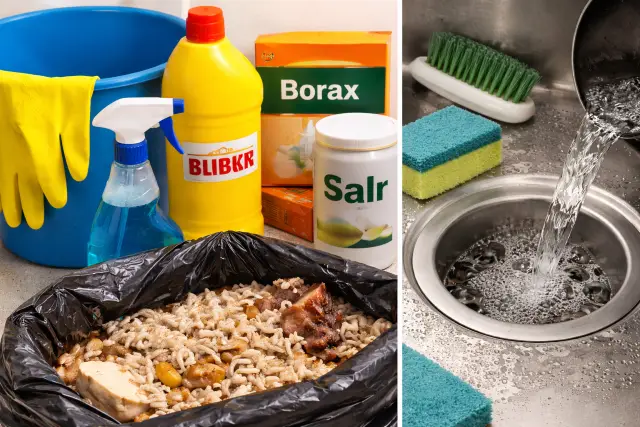
If you’re here because you just spotted wriggling maggots near a trash can, under the sink, or along a damp corner, take a breath. It’s disgusting, yes, but it’s also fixable fast when you use the right approach. The main question most people ask is simple: what kills maggots quickly, safely, and for good?
Maggots are fly larvae, which means they show up when adult flies find a warm, moist place with something organic to feed on. Fixing the problem is always a two-part job: kill the larvae you can see, then remove the source so the next batch does not hatch.
This guide covers the best DIY options, the best store-bought products, and the exact cleanup steps that stop repeat infestations.
What are maggots and why are they in your house?
Maggots are the larval stage of flies. Flies lay eggs on rotting food, leaking trash, pet waste, damp organic gunk in drains, or even hidden dead pests. In warm weather, eggs can hatch quickly and suddenly you’ve got a “how did this happen overnight?” situation.
Common indoor hotspots include:
- Kitchen trash and bin liners
- Under appliances (fridge, stove) where crumbs and moisture collect
- Sink drains and garbage disposal
- Pet food areas and litter zones
- Compost containers kept indoors
- A forgotten bag of food waste
- A dead rodent or lizard in a wall void (less common, but it happens)
If you clean up the larvae but leave the food source, the fly problem will simply restart.
What kills maggots fastest in a house?
If you want the quickest answer that what kills maggots, it’s this: heat plus removal.
1) Boiling water (fastest DIY option)
Pouring boiling water directly onto maggots kills them quickly because the heat is immediate. Many home and pest experts recommend boiling water as the most straightforward “right now” fix, especially for trash bins and hard surfaces.
Best for:
- Trash cans
- Tile floors
- Outdoor bins
- Garage floors
- Non-porous surfaces
Not ideal for:
- Carpet
- Unsealed wood
- Areas where water damage is a risk
2) Hot water plus vinegar (good for bins and some drains)
Vinegar alone is not always enough, but mixed with very hot water it can help flush organic residue while also knocking down larvae in the process.
Best for:
- Trash cans after you’ve removed most larvae
- Sink drains (after clearing clogs)
- Cleaning residue that attracts flies
Important safety note: Do not mix vinegar with bleach. Mixing bleach with acids can release toxic gas. For bleach compatibility and safety, follow recognized guidance on bleach handling and incompatible chemicals.
3) Salt or borax (dry-out method)
Maggots have soft bodies. Heavy salt can dehydrate them. Borax is often mentioned as more effective than baking soda for this purpose.
Best for:
- Cracks and crevices where you cannot pour water
- Trash can edges and rims after cleaning
- Hard-to-reach corners on hard flooring
Use carefully:
- Keep away from kids and pets
- Vacuum or sweep up after it works
4) Freezing (great for contained infestations)
If maggots are in a bag, container, or something you can isolate (like a small bin or a food-waste bucket), freezing is a simple method. It stops activity and helps you dispose of everything cleanly.
Best for:
- Sealed trash bags
- Small compost containers
- Pet waste bags before disposal
Best products to kill maggots in the house
Sometimes DIY is enough. But if the infestation is big, hidden, or recurring, products can help. The key is to choose items that match the location.
Product category 1: Household disinfectants (after you remove maggots)
Disinfectants do not “solve” maggots by themselves because the real win is removing the organic mess and eggs. But disinfection matters for hygiene once the area is cleaned.
Bleach is widely used for disinfecting hard, non-porous surfaces, but it must be used safely and correctly. CDC guidance stresses using bleach safely and following label instructions, and that cleaning often comes before disinfection.
Best for:
- Cleaning bins after infestation
- Sanitizing hard surfaces after removal
- Killing germs on non-porous areas
Bleach safety essentials:
- Ventilate well
- Wear gloves
- Never mix bleach with vinegar, ammonia, or other cleaners because dangerous gases can form
- Follow the product label and recognized dilution guidance
Product category 2: Enzyme drain cleaners (for drain-related maggots)
If you are seeing larvae near the sink, the real culprit is often organic buildup in pipes. Enzyme-based drain cleaners help break down the gunk flies love.
Best for:
- Slow drains with odor
- Repeated fly activity around sinks
- Garbage disposal residue
Tip: Enzyme cleaners work best overnight and may need repeat use for a week to fully remove buildup.
Product category 3: Insecticides (when you need a hard reset)
If maggots are widespread, you may want a targeted insecticide labeled for fly larvae or flying insects around breeding sites. Two common active ingredient families you’ll see are pyrethrins and pyrethroids. The National Pesticide Information Center explains pyrethrins are used in many registered products such as sprays and foggers, and notes pyrethroids are synthetic relatives.
How to use insecticides safely:
- Only use products that are legal and registered in your area
- Read the label carefully and follow it exactly
- Avoid spraying food prep surfaces unless the label explicitly allows it
- Keep children and pets away until the label says it’s safe
If you want to verify a product label, the EPA emphasizes that pesticide labels are the key document for safe use and directions.
Step-by-step: how to get rid of maggots in the house (the clean way)
This is the process that works in real homes because it focuses on both killing and prevention.
Step 1: Find the source first
Before you start pouring anything, identify where they’re coming from:
- Open the trash can and check the bottom rim and liner area
- Look under the bin and nearby floor edges
- Check under appliances for leaked food or moisture
- Inspect sink drains for odor and residue
- If there’s a strong smell and no visible trash source, consider hidden dead pests
Step 2: Remove the bulk of maggots (do not smear them)
On hard floors:
- Sweep them into a dustpan, then seal in a bag
- Or vacuum them with a shop vac if you have one (empty it immediately after)
On carpet:

- Vacuum first, then immediately empty the vacuum canister into a sealed bag
- Treat the spot with hot water carefully (avoid soaking the carpet pad)
Step 3: Apply your “kill method” based on the surface
Here’s a quick decision guide:
| Location | What kills maggots best | Why it works |
|---|---|---|
| Trash can | Boiling water, then scrub and disinfect | Heat kills larvae, scrubbing removes eggs/film |
| Sink/drain | Boiling water, enzyme cleaner, deep clean trap | Heat helps, enzymes remove the breeding buildup |
| Tile floor | Boiling water, then disinfect | Heat plus hygiene cleanup |
| Carpet | Vacuum, spot clean, dry thoroughly | Removal and drying stops re-hatch |
| Outdoor bin | Boiling water, salt edges, sun-dry | Heat and dryness make it hostile |
Step 4: Scrub away the invisible problem (eggs and biofilm)
This is the part people skip, and it is why maggots come back.
For trash cans:
- Dump contents
- Pour boiling water
- Scrub with dish soap and hot water
- Rinse
- Disinfect if needed (on hard plastic) following bleach safety rules
- Let it dry completely in sunlight if possible
For floors:
- Wash with detergent first
- Then disinfect if appropriate
For drains:
- Remove hair and gunk
- Clean around the drain opening
- Run hot water and use an enzyme cleaner consistently for several days
Step 5: Dry the area completely
Maggots and flies thrive when there’s moisture. Drying is not optional.
- Use paper towels, a fan, or open windows
- Fix leaks under sinks
- Keep bins dry and lined
Prevention that actually works (not just “keep it clean”)
Yes, sanitation matters, but here are the specific moves that reduce fly egg-laying at home.
Trash routine that stops maggots
- Take out food waste frequently, especially in warm months
- Double-bag meat scraps or heavily wet waste
- Rinse sticky food containers before tossing
- Wash the bin regularly and let it dry fully
- Keep the lid sealed and the area around it crumb-free
Experts often point out that flies lay eggs on warm organic waste, so changing your bin habits is the long-term fix.
Kitchen habits that block the breeding cycle
- Store fruit in the fridge if flies are active
- Keep pet food sealed and clean the feeding area daily
- Wipe spills under appliances
- Do a weekly “smell check” under the sink and behind the bin
Drain prevention checklist
- Run hot water after doing dishes
- Clean sink strainers regularly
- Treat slow drains early
- Use enzyme drain cleaner weekly if you have recurring issues
When maggots are not “just a trash problem”
Most household maggots are from common flies. But if you ever find larvae in or near a wound, that becomes a medical issue called myiasis, and public health guidance notes it can occur especially with untreated or open wounds. If that situation applies, seek medical care.
FAQs
What kills maggots instantly at home?
Boiling water is one of the fastest and most common household methods because heat kills larvae quickly.
Will bleach kill maggots?
Bleach can kill larvae on hard, non-porous surfaces, but it must be used safely, never mixed with other cleaners, and used according to instructions. Cleaning first is important before disinfection.
Why do maggots keep coming back after I kill them?
Because eggs and the food source remain. Scrub away residue, clean the bin or drain buildup, and dry the area. If flies still have access to organic waste, they will lay eggs again.
Is vinegar enough to kill maggots?
Vinegar alone is not always reliable, but hot water plus vinegar is commonly used to help kill and flush out breeding residue in places like bins and drains.
Conclusion: what kills maggots and keeps them from returning
The best answer to what kills maggots is not one magic product. It’s a short system you can repeat anytime: remove the larvae, hit the area with heat, scrub away the residue, disinfect safely when appropriate, and dry everything so flies lose the breeding spot. If you stay consistent for a few days, the problem usually ends completely.
If you want one simple rule to remember, it’s this: maggots are a symptom, not the root cause. Remove the source, and the cycle breaks. And if you ever see fly larvae in a place that suggests a wound or tissue involvement, treat it seriously and get medical advice. fly larvae