

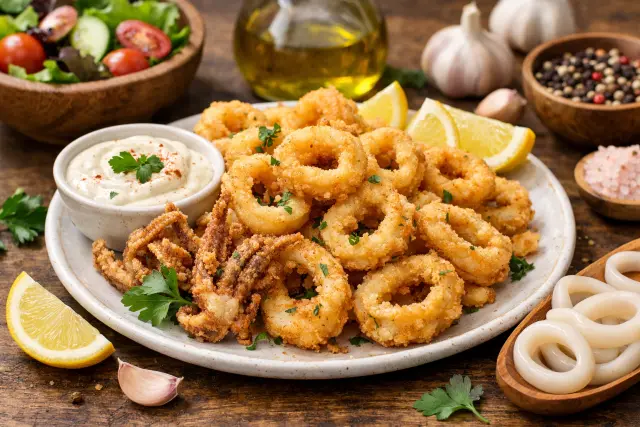
If you’ve seen Calamariere on a menu, in a foodie post, or even in fitness communities talking about “lean seafood proteins,” you’re probably wondering what it actually is. The short answer is that Calamariere is a modern, internet-popular term used to describe a calamari or squid-based dish style, often linked with Mediterranean or Italian-inspired seafood cooking. At the same time, many writers also point out that Calamariere is not a widely standardized dictionary word, which is why it can feel a little mysterious at first.
In this guide, we’ll keep it practical and food-fitness friendly: what Calamariere usually refers to, how it’s cooked, what nutrition you can expect (based on cooked calamari/squid), the real health benefits, and the risks people should be aware of, especially if you’re watching cholesterol, sodium, or allergies.
What is Calamariere?
Most online culinary explanations describe Calamariere as a term rooted in “calamari” (squid), often framed as either:
- a squid-based dish or preparation style (Mediterranean or Italian vibe)
- a “craft” or specialty approach to cooking squid, similar to how some words describe a skilled role or cuisine method
Several recent explainers connect the word to Italian roots and suggest it signals a squid-focused preparation or tradition, while also admitting the term is used loosely and isn’t always consistent across sources.
So in real life, if someone says “Calamariere,” they usually mean a calamari-centered seafood dish, often featuring:
- squid rings or strips (sometimes tentacles too)
- light seasoning, herbs, citrus, garlic
- grilled, pan-seared, baked, or sometimes fried versions
- paired with salads, grains, or Mediterranean sides
Calamariere vs calamari: is there a difference?
Think of it like this: calamari is the ingredient and the widely used name. Calamariere is more like a label people use to suggest a style or concept around calamari, often with a “specialty dish” feel. Many sources discussing the word treat it as a niche term rather than a strict recipe definition.
Why Calamariere is popular in food and fitness conversations
Fitness eating is not only about chicken and whey anymore. People want variety, and seafood fits that “high-protein, nutrient-dense” sweet spot.
Calamari (squid) is often highlighted for:
- being relatively high in protein
- providing important micronutrients like vitamin B12 and minerals
- working well in low-carb patterns depending on preparation
WebMD, for example, describes squid as high in protein and mentions omega-3 fatty acids, along with nutrients like iron and calcium.
That’s why Calamariere, when prepared in a lighter style (grilled or pan-seared instead of deep-fried), gets pulled into food and fitness content.
Calamariere nutrition facts (what you can realistically expect)
Because Calamariere is a flexible term, the nutrition depends heavily on:
- how it’s cooked (fried vs grilled changes everything)
- portion size
- sauces and oils
- sides (fries vs salad is a totally different meal)
To keep this accurate, the best approach is to use cooked calamari nutrition data as the base, then show how cooking method shifts calories and macros.
Typical cooked calamari macro profile
Nutrition data sources for cooked calamari show it’s largely water + protein, with some fat and small carbs depending on preparation. MyFoodData’s entry for cooked calamari shows a macro breakdown that includes about 16.5g protein per serving in that listing, with fat and carbs present as well.
Another reference point: FatSecret lists about 91 calories per 100g for steamed or boiled calamari, which is a useful “lean method” benchmark.
A practical table: nutrition changes by cooking style
Here’s a simple way to think about it:
| Calamariere style (common) | What changes most | What it means for fitness |
|---|---|---|
| Steamed / boiled | Lowest added fat | Leanest option, good protein-to-calorie ratio |
| Grilled / pan-seared | Depends on oil used | Still very fitness-friendly if oil is controlled |
| Breaded / fried | Calories rise fast | More “treat meal” unless portion is small |
| Saucy (creamy or sugary glazes) | Hidden calories and sodium | Easy to overshoot calorie goals |
If your goal is body recomposition or weight loss, the “best” Calamariere is usually the version that keeps breading and heavy sauces minimal. (Not a rule, just the reality of how calories stack up.)
Key nutrients in Calamariere (and why they matter)
Here’s where squid-based dishes quietly shine. Beyond protein, calamari is commonly listed as a good source of several vitamins and minerals, including vitamin B12 and iron. Inlivo’s nutrition summary for calamari mentions vitamin B12 and iron among notable micronutrients.
1) High-quality protein
Protein supports muscle maintenance, recovery, and satiety. Many nutrition-focused guides highlight calamari as a strong protein source, with Nutrition Advance noting protein content as a key benefit and giving a per-100g figure in its overview.
2) Vitamin B12 (energy metabolism and nervous system support)
B12 is one of those nutrients many people miss if they don’t eat animal foods regularly. Seafood is often a strong contributor, and calamari commonly appears on lists of B12-containing foods.
3) Iron and minerals
Iron helps with oxygen transport and performance, especially for active people. Squid nutrition discussions (like WebMD’s overview) mention minerals such as iron as part of the nutrition profile.
4) Omega-3 fatty acids (depending on overall diet)
WebMD also notes squid as a seafood high in protein and omega-3 fatty acids. Omega-3s are often discussed for heart and inflammation-related benefits, though the exact amount can vary depending on the species and preparation.
Health benefits of Calamariere (when prepared smartly)
Let’s keep this honest: Calamariere isn’t a magic superfood. But it can be a really solid part of a balanced plan if you prepare it in a way that supports your goals.
Supports muscle maintenance and recovery
Protein is the headline. If your Calamariere meal is built around a meaningful serving of squid and paired with a balanced plate, it can help you hit protein targets without relying on the same foods every day. Protein is consistently emphasized as one of calamari’s biggest advantages.
Helps keep meals satisfying
High-protein meals often keep people full longer than low-protein ones. If Calamariere is grilled and paired with fiber-rich sides (vegetables, beans, or whole grains), it tends to feel more satisfying than a snacky, carb-heavy meal.
Offers nutrient density per calorie (in non-fried versions)
Steamed or boiled calamari being listed around 91 calories per 100g is a good example of why squid can be “efficient” nutrition when it’s not breaded and fried.
Fits multiple diet styles
Depending on preparation, Calamariere can work for:
- higher-protein lifestyles
- Mediterranean-style eating
- lower-carb meals (if not breaded)
- meal-prep friendly plates (if grilled)
The biggest nutrition “trap”: fried Calamariere
This is where people get confused.
A lot of restaurant calamari is breaded and deep-fried. That version can still be delicious, but it’s no longer the lean seafood meal people imagine. The oil, flour, and sauces can shift it from “protein-focused” to “calorie-dense fast.”
If you want Calamariere to stay aligned with fitness goals, the cooking method matters more than the ingredient itself.

Who should be careful with Calamariere?
People watching cholesterol intake
Squid is often discussed as being higher in dietary cholesterol. NutritionValue’s listing includes cholesterol information as part of its nutrition breakdown for calamari.
This does not automatically mean “avoid forever,” but if you have specific medical guidance about cholesterol, it’s worth paying attention to portion size and frequency.
People sensitive to sodium
Restaurant seafood can be salty, especially with sauces, seasoning blends, or preserved sides. If sodium matters for you, grilled home-style preparations are usually easier to control.
Shellfish and seafood allergies
Squid is seafood, and anyone with allergies should be cautious. If you’re unsure, it’s not the kind of food to experiment with casually.
Anyone concerned about food safety
As with any seafood, freshness and proper cooking matter. Squid can become rubbery if overcooked, but undercooking seafood can also carry risks. Good handling and correct cooking are important.
Best ways to eat Calamariere for fitness goals
This section keeps it real-world. You don’t need complicated recipes to make Calamariere “gym friendly.” You just need smart pairings and a cooking method that doesn’t bury the protein under unnecessary calories.
Calamariere meal ideas that actually work
- Grilled Calamariere bowl: grilled squid, olive oil-lemon dressing, cucumbers, tomatoes, herbs, and a small portion of rice or quinoa
- High-protein salad plate: pan-seared squid, mixed greens, chickpeas, peppers, and a yogurt-based sauce
- Simple post-workout plate: grilled squid, roasted potatoes or rice, and vegetables
- Low-carb option: sautéed squid with zucchini noodles and garlic, topped with herbs
Portioning that makes sense
Fitness-friendly portions vary by body size and goals, but most people do well when they treat squid as the main protein, not as a side snack. If the plate is mostly breading and fries, you’re basically eating “fried carbs with a hint of squid.”
Calamariere in a balanced weekly plan
If you like variety, Calamariere can rotate with other proteins like:
- chicken
- eggs
- fish like salmon or tuna
- legumes (on plant-forward days)
The benefit is simple: seafood adds micronutrients and keeps meals interesting, which makes consistency easier.
Frequently asked questions about Calamariere
Is Calamariere the same as calamari?
Not exactly. Calamari is the common name for squid dishes. Calamariere is a newer, less standardized term that many sources describe as a style, tradition, or concept around squid-based cuisine.
Is Calamariere good for weight loss?
It can be, especially when grilled or boiled, because squid can provide a strong protein-to-calorie ratio in lighter preparations. Steamed or boiled calamari being listed around 91 calories per 100g shows why it can fit calorie control goals.
Is Calamariere high in protein?
Yes, squid is commonly highlighted as a good protein source in nutrition guides.
Is Calamariere healthy if it’s fried?
Fried versions can still be part of life, but they’re usually much higher in calories due to breading and oil. If “healthy” for you means nutrient-dense and calorie-controlled, grilled or pan-seared tends to fit better.
Conclusion: Calamariere can be a smart protein choice if you control the cooking style
Calamariere is best thought of as a squid-based dish style that’s been getting attention online, especially among people who like Mediterranean flavors and high-protein meals. When it’s grilled, steamed, or lightly pan-seared, it can offer solid protein and useful nutrients, and it can fit nicely into a food-and-fitness routine. When it’s heavily breaded and fried, it shifts into a higher-calorie comfort food, still enjoyable, just not the same “lean protein” story.
If you keep the preparation clean and the plate balanced, Calamariere can be one of those meals that feels like a treat but still supports your goals.
In Mediterranean cooking, squid is often appreciated for its texture and quick-cooking versatility, which is why it shows up in so many coastal dishes.