

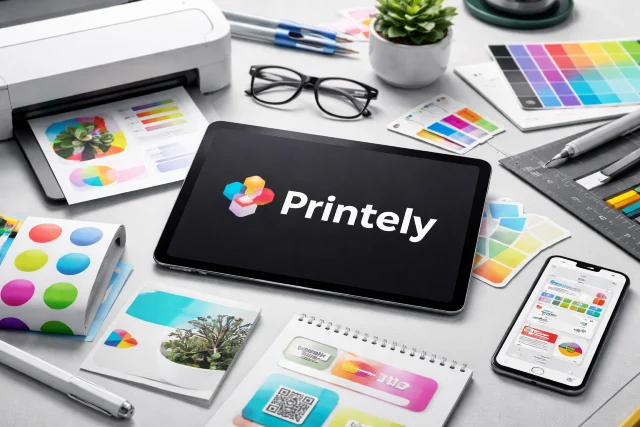
If you’ve been scrolling through tech forums, creator groups, or small business communities lately, you may have seen the word Printely pop up in conversations about design, printing, and “smart” ways to turn digital ideas into physical results. And naturally, the next question is: what exactly is Printely, and why are gadget lovers paying attention?
In simple terms, Printely is commonly described online as a modern, digital-first approach to designing and managing print-ready materials, blending templates, customization tools, and streamlined printing workflows in one place. Different websites use the name a bit differently, but the theme is consistent: make printing easier, faster, and more flexible for everyday users, creators, and small teams.
This guide is written for people who enjoy tech and gadgets, not just professional designers. We’ll break down what Printely is, how it fits into today’s “smart workflow” trend, where it shines, and how to use it without wasting time, paper, or money.
Printely in one clear definition
Printely is best understood as a digital printing workflow concept or platform-style service that focuses on:
- quick design creation (often through templates)
- basic customization without heavy software
- export or print-ready output
- smoother printing decisions (sizes, margins, quality settings)
- project organization for repeat prints
Many recent articles describe Printely as a platform for easy design and printing for personal and business use, especially for people who want results without learning pro tools.
Why Printely is trending in tech and gadgets circles
Printing sounds old-school until you look at how people actually use it today. Tech fans are printing:
- QR menus, stickers, labels, packaging inserts
- planners, templates, worksheets, study notes
- product mockups and branding materials
- photo prints, event invites, personalized gifts
- shipping labels and inventory tags
The gadget angle comes from the workflow. People want the same things they want from smart home gear or productivity apps: fewer steps, fewer mistakes, and a setup that “just works.”
And the bigger trend behind it is real: print-on-demand and flexible production continue to grow because people don’t want to hold inventory or buy expensive equipment upfront. Printify, for example, highlights the scale and global reach of this model through its network and completed orders, which helps show why modern print workflows are a hot topic right now.
How Printely works (the practical version)
Even when Printely is described differently across the web, the workflow usually looks like this:
1) Pick a use case first, not a design
Most printing problems happen because people start with “a design” instead of a goal.
Common goals:
- “I need 200 labels that scan easily.”
- “I want a clean product flyer for a local event.”
- “I’m printing a weekly planner that doesn’t look boring.”
Once the goal is clear, the format becomes obvious: label sheets, A4 flyer, postcard size, sticker cut lines, etc.
2) Choose a template or layout base
Printely-style platforms tend to shine here: templates reduce the chance you mess up sizing, spacing, or bleed.
A good template library usually includes:
- business cards, flyers, posters
- stickers, labels, packaging inserts
- planners, worksheets, calendars
- event invitations and announcements
3) Customize with “just enough” control
Tech users like tools that are powerful but not complicated. Printely is often framed as offering light customization that handles the most common needs:
- fonts, colors, text blocks
- image upload and placement
- background patterns
- alignment and spacing helpers
If you’ve ever tried to print something from a random app and ended up with chopped edges or weird margins, you already understand why this step matters.
4) Export print-ready files
This is the moment where Printely becomes more than “a template site.” A print-ready output usually means:
- correct size and resolution
- clean margins and safe areas
- a reliable file format (often PDF for consistency)
5) Print at home, at a local shop, or through a service
Depending on your setup:
- home inkjet for casual projects
- laser printer for crisp text and speed
- local print shop for bulk and premium paper
- on-demand services for products and shipping
Printely vs traditional printing tools
Here’s a quick comparison to help you decide whether a Printely-style workflow fits your life.
| What you need | Traditional approach | Printely-style approach |
|---|---|---|
| Quick flyer or poster | Desktop publishing or a designer | Templates + fast edits |
| Labels or stickers | Trial-and-error sizing | Layouts built for print formats |
| Repeatable weekly prints | Manual rework each time | Saved projects and reprints |
| Small business branding | Multiple tools + outsourcing | One workflow for basics |
| Professional prepress needs | Pro design suites | Usually not the main focus |
The key difference is not “quality vs cheap.” It’s friction vs flow. Printely is positioned as a smoother path for people who want results without turning printing into a hobby.
Where Printely fits best for tech & gadget lovers
Home office setups
If you’ve built a home office, you know the vibe: cable management, a decent chair, maybe a docking station, and ideally a printer that behaves. Printely becomes useful when you want:
- organized planners
- task boards
- clean labels for drawers and files
- printable templates for routines
Student and learning workflows
Students print plenty of things that don’t need professional design software:
- flashcards
- revision sheets
- calendars, trackers, habit logs
- charts and diagrams
Printely-style tools are often described as friendly for students because templates remove the guesswork.
Creator and side-hustle projects
Creators tend to print items that support a brand:
- thank-you cards
- QR codes for socials
- sticker packs
- packaging inserts
This is where print workflows overlap with the modern creator economy. If you’re selling something online, your printed materials are part of your product experience.
DIY and craft printing
Some sources frame Printely as part of the home and DIY printing trend, where people want “nice-looking outputs” without extra tools or expensive hardware.
Printely setup checklist (so you don’t waste paper)
Before you print anything important, run through this checklist once. It saves a shocking amount of time.
Paper and sizing basics
- Confirm the paper size: A4 vs Letter matters.
- Check if your design needs full-bleed printing.
- Use thicker paper for cards, matte for readability, glossy for photos.
Printer settings that quietly ruin prints
- Disable “fit to page” unless you truly need it.
- Set the correct quality mode for the job.
- Pick the right paper type in printer settings.
Resolution and readability
- For text-heavy prints, clarity matters more than color.
- For QR codes, keep high contrast and avoid tiny sizes.
- For photo prints, use higher resolution and proper paper.
Common Printely use cases with real-world examples
Example 1: A small business product insert
A candle maker includes a printed card with:
- care instructions
- QR code to Instagram
- discount code for repeat orders
A Printely-style template makes it easy to reprint and update the card whenever prices or promos change.
Example 2: A home labeling system that stays readable
Instead of handwriting labels that fade or smudge, you print clean labels for:

- cables and chargers
- storage boxes
- pantry jars
- tool drawers
This is extremely “tech person” behavior, and it’s also practical.
Example 3: A student weekly planner that’s actually used
Students often abandon planners because they’re messy or hard to maintain. A printable weekly sheet with:
- priorities
- deadlines
- 3 must-do tasks
- quick habit tracking
can be printed every week and used consistently.
Is Printely free, paid, or something else?
This is where things get nuanced.
Online articles often describe Printely as offering “free” access to templates or tools, while others mention it in broader discussions of modern printing platforms and services. In practice, tools like this typically follow one of these models:
- free templates + optional premium designs
- free basic editing + paid advanced features
- pay per download/export
- subscription for business features
Because “Printely” is used as a name in multiple online write-ups rather than one universally confirmed official product page in mainstream tech coverage, treat it like you would any new platform: check the feature list, export options, and limitations before building your workflow around it.
Printely safety and privacy: what to watch for
Whenever you design or print through an online tool, the questions aren’t just “does it look good?” They’re also:
- What happens to uploaded files? Logos, documents, and personal photos can be sensitive.
- Do you need an account? Account creation can mean data storage.
- Are exports locked behind a paywall? Some tools let you design for free but block high-quality downloads.
- Does it add watermarks? Especially common in free tiers.
If you’re printing anything that contains personal data (addresses, IDs, private documents), consider doing the final export locally and printing through a trusted method.
Tips to get better results with Printely
Here are practical tips that genuinely improve output:
- Design for the paper you actually have. Don’t pick a template that requires fancy cardstock if you’re using standard sheets.
- Use fewer fonts. Two fonts maximum keeps everything cleaner.
- Avoid tiny light text. It looks stylish on screens and turns unreadable on paper.
- Test print once. One draft copy saves you from wasting 50.
- Create a “reprint folder.” Save your best projects so you can repeat them without rebuilding.
FAQs about Printely
What is Printely used for?
Printely is commonly described as a way to create and manage print-ready designs such as flyers, labels, planners, cards, and other printable materials using templates and simple customization tools.
Is Printely only for businesses?
No. Many descriptions of Printely focus on personal use too, like home organization, student resources, and DIY projects, alongside business printing.
Do I need a special printer to use Printely?
Usually, no. Most print-ready workflows are designed to work with common home printers, local print shops, or print services. Your results depend more on paper quality and settings than owning a premium printer.
How is Printely different from print-on-demand platforms?
Printely is often presented around design-to-print workflows and print-ready assets, while print-on-demand platforms focus on fulfillment and shipping products after orders are placed. Print-on-demand is widely covered as a low-inventory approach for selling customized products.
Conclusion:
If you like tools that remove friction from everyday tasks, Printely makes sense as a concept and workflow. It sits in that sweet spot between “I just need something printed nicely” and “I don’t want to learn professional design software for one job.” For tech and gadget lovers, the appeal is simple: fewer steps, cleaner results, and a repeatable process you can use for work, school, or side projects.
In the end, Printely is about making physical output feel as smooth as digital creation, which is exactly the kind of upgrade modern tech users enjoy.
In a world where digital tools keep evolving, it’s interesting that the need for physical output is still strong, and modern workflows like Printely are basically a smarter bridge back to printing.