

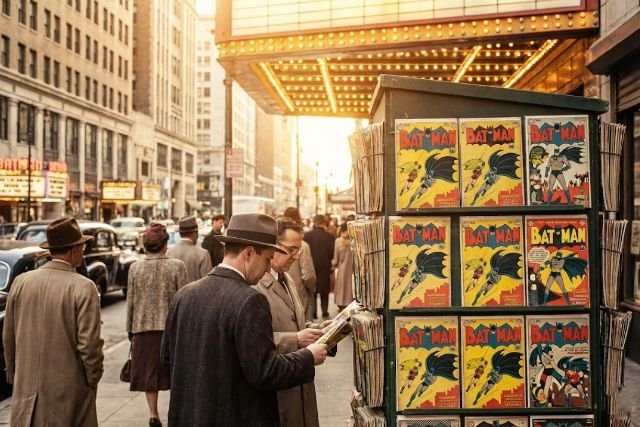
The Batman Comic Magazine has been a cultural cornerstone for more than eighty years, captivating readers with its mix of mystery, heroism, and psychological depth. Within the first few pages of any Batman issue, readers are pulled into the haunting streets of Gotham City—a world shaped by fear, justice, and moral conflict. From its earliest publication in Detective Comics to its modern cinematic and multimedia expansions, Batman’s printed legacy continues to influence storytelling, inspire artists, and shape global pop culture. Its staying power is not accidental; it’s the result of consistent reinvention, thematic richness, and a hero who resonates with readers across generations.
The Origins of Batman in Comic Magazines
Batman made his debut in Detective Comics #27 in 1939, a period dominated by brightly costumed superheroes who fought fantastical villains. Instead of following the trend, creators Bob Kane and Bill Finger introduced a figure rooted in darkness, mystery, and human vulnerability. Inspired by pulp vigilantes, noir cinema, and real-world crime stories of the 1930s, Batman emerged as a masked detective who relied not on superpowers but on intellect, physical training, and sheer determination. That early vision laid the foundation for what would become one of the most influential comic magazines in history.
Why Batman Became an Instant Icon
One of the primary reasons for Batman’s immediate success was his relatability. Unlike other superheroes with extraordinary abilities, Batman is entirely human. Readers saw a hero who, despite facing deep personal loss, chose to fight injustice through discipline and purpose. A 2023 Statista study found that a significant percentage of comic fans prefer heroes without superpowers because they feel more realistic and inspiring—an idea Batman embodied from the start.
Another key element of Batman’s early popularity was the moral complexity woven into his stories. The Batman Comic Magazine consistently addressed themes such as corruption, fear, grief, and justice. Gotham City itself felt like a living character, mirroring societal anxieties and presenting Batman with challenges that reflected real-world struggles. His enemies were not simple villains; they were symbolic extensions of human fears and flaws. Characters like the Joker, Catwoman, and the Riddler brought psychological depth and dramatic contrast, pushing Batman’s own limits and enriching the narrative.
Evolution of the Batman Comic Magazine Through the Decades
The Batman Comic Magazine evolved dramatically across different eras, each bringing new tones and storytelling approaches.
In the Golden Age, Batman’s stories were reminiscent of hardboiled detective fiction, filled with dark imagery and crime-driven plots. The introduction of Robin lightened the tone temporarily, helping attract younger readers while balancing Batman’s brooding persona.
The Silver Age saw a shift toward more colorful and fantastical tales. Science fiction themes, camp humor, and imaginative gadgetry became common, defining the era that later inspired the playful 1966 television series.
During the Bronze Age, creators like Denny O’Neil and Neal Adams steered Batman back to darker, more grounded storytelling. Their work reintroduced realism and social awareness, tackling issues such as urban decay and moral ambiguity.
The Modern Age revolutionized Batman’s image yet again. Frank Miller’s The Dark Knight Returns and Year One redefined the Dark Knight with psychological intensity and a gritty urban aesthetic. Influential graphic novels like The Killing Joke and major arcs such as Knightfall shaped Batman as a mature, conflicted, and deeply symbolic figure.
In the 21st century, the comic magazine expanded alongside blockbuster films, animated series, and video games, creating a multimedia ecosystem that kept the character relevant for new generations.
The Psychology Behind Batman’s Enduring Appeal
What truly sets Batman apart is the psychological depth embedded within his story. Batman represents the idea that trauma can be transformed into purpose. His origin—witnessing the murder of his parents—became a symbol of survival and reinvention. While many superheroes are defined by external powers, Batman is defined by internal conflict, resilience, and an unwavering moral code.
The concept of dual identity also adds to his appeal. Bruce Wayne embodies privilege, charm, and societal access, while Batman represents fear, discipline, and justice. This duality reflects universal human experiences of wearing different masks in different environments. Scholars often interpret the mask as a metaphor for unresolved grief or the desire to protect one’s vulnerable self from a hostile world.
Batman’s villains deepen the psychological narrative. The Joker symbolizes chaos and unpredictability, serving as the antithesis of Batman’s order. Scarecrow embodies fear, Two-Face represents moral conflict, and Bane reflects the impact of trauma when combined with brute force. These antagonists are compelling because they challenge Batman’s values in ways that go beyond physical confrontation.
Cultural Impact Across Movies, Media, and Fan Communities
The cultural reach of the Batman Comic Magazine extends far beyond printed pages. Batman has become a global brand appearing in blockbuster films, television shows, animated series, video games, theme parks, and merchandising lines. Christopher Nolan’s Dark Knight trilogy alone generated over $2.4 billion worldwide and had a profound effect on modern filmmaking, proving that superhero narratives could be intellectually rich and artistically ambitious.
On social media, Batman remains one of the most recognizable and frequently referenced figures. Internet culture thrives on Batman memes, iconic quotes, and debates about his ethics, villains, and story arcs. The character’s distinctive voice, gadgets, and imagery continue to inspire countless parodies and fan creations.
Merchandising contributes significantly to Batman’s cultural influence. Reports from the NPD Group show that Batman consistently ranks among the highest-grossing superhero brands in global merchandise sales. From fashion collaborations to collectibles and toys, Batman’s symbol remains one of the most widely recognized logos worldwide.
Characters Who Strengthened the Batman Legacy
While Batman is the central figure, the comic magazine’s depth comes from its supporting cast. Alfred Pennyworth provides emotional grounding and moral clarity. Robin and later Nightwing introduce themes of mentorship, growth, and shared responsibility. Commissioner Gordon represents institutional justice and the human struggle within corrupted systems. Catwoman adds complexity through a blend of romance, conflict, and moral ambiguity. And of course, the Joker remains Batman’s ultimate foil, pushing him to confront the darkest corners of his own identity.
These characters create a narrative ecosystem that keeps Batman’s world rich, evolving, and endlessly compelling.
Art Styles, Visual Evolution, and Storytelling Techniques
Batman’s visual evolution is one of the most fascinating aspects of the comic magazine’s history. Artists like Neal Adams, Frank Miller, Jim Lee, and Greg Capullo reshaped the character through bold designs, dramatic shadows, and innovative panel layouts. Each artistic era introduced new interpretations of the Batsuit, Gotham City, and the Batcave, influencing the aesthetics of films, games, and animated adaptations.

Storytelling also became more sophisticated over time. The Batman Comic Magazine pioneered non-linear narratives, flashback-driven arcs, complex multi-issue storylines, and psychologically centered plots. Writers increasingly blended elements of noir, horror, political drama, and crime thriller genres. This commitment to creative evolution allowed Batman’s stories to remain fresh while preserving the core themes that define the character.
Why Collectors Still Pursue Batman Comic Magazines
Collectors remain deeply invested in Batman’s comic legacy, not only because of nostalgia but also due to the significant value the issues hold. A pristine copy of Detective Comics #27 sold for more than $1.7 million, making it one of the most exclusive comics ever auctioned. Even modern issues with variant covers, holographic designs, or limited-edition artwork attract strong interest from collectors. Batman’s ongoing relevance across movies, gaming, and streaming ensures that new readers and investors continue to enter the market, sustaining demand for both vintage and contemporary comic magazines.
FAQs About the Batman Comic Magazine
Why is the Batman Comic Magazine still so popular?
It blends compelling storytelling, psychological complexity, and a grounded hero who resonates with audiences across ages.
What was Batman’s first comic appearance?
Batman first appeared in Detective Comics #27 in 1939.
Do Batman comics maintain their value?
Yes. Both classic and modern editions often gain value, especially first appearances and limited variants.
What makes Batman different from other superheroes?
Batman’s humanity, intellectual depth, moral dilemmas, and exceptional rogues’ gallery distinguish him from other heroes.
Conclusion: Why the Batman Comic Magazine Still Matters
The Batman Comic Magazine continues to thrive because it reflects universal human themes—trauma, justice, hope, fear, and resilience. Batman’s evolution across decades shows a character capable of adapting to changing cultural landscapes while staying loyal to his core identity. As society grapples with complex issues, Batman remains a symbol of determination and moral conviction. Whether through groundbreaking art, psychological storytelling, or unforgettable characters, the Batman Comic Magazine remains a timeless cultural force with an influence that stretches far beyond the printed page.